Facelift in Antalya, Turkey: Techniques, Cost, Recovery & Results

Medically reviewed by: Op. Dr. Altan Tekin, Plastic Surgeon , Trust Pilot Reviews. Last updated: 8 October 2026.

A facelift (rhytidectomy) lifts and tightens the lower face and neck by repositioning the deeper tissue layers and removing excess skin. Aesthetic Travel arranges facelift surgery in Antalya with qualified and experienced plastic surgeons. Packages start from £3,490, including.

Facelift Turkey

Facelift in Turkey / Antalya – Costs & Procedure

Headings

Is a facelift in Antalya right for you?

A facelift treats the lower two thirds of the face. It is most often chosen for:

  • Sagging cheeks and a soft or lost jawline (jowls)
  • Deep folds between the nose and mouth (nasolabial folds) and around the mouth
  • Loose skin and vertical bands in the neck
  • A tired or heavy lower-face appearance that creams, fillers and devices no longer improve

A facelift does not treat the forehead and brows, the eyelids, skin texture or sun damage. These need a brow lift, eyelid surgery or skin treatments, which can be combined with a facelift.

You may be a good candidate if you are generally healthy, do not smoke (or can stop before and after surgery), have skin with some remaining elasticity, and want to look fresher rather than different. Most patients are in their 40s to 60s, but skin quality and facial anatomy matter more than age.

A facelift may not be advisable if you have uncontrolled high blood pressure, bleeding disorders, serious heart or lung disease, or if you smoke and cannot stop. Your surgeon will assess this at your consultation.

Facelift Turkey at Aesthetic Travel in Antalya

Facelift techniques we offer in Antalya

The right technique depends on how much sagging you have and where. Your surgeon will recommend one after examining your face and reviewing your photos.

Technique

What it treats

Best for

Typical recovery to social comfort

Mini facelift

Early jowls and mild jawline sagging, shorter incisions around the ear

Mild laxity, early 40s–50s

About 1–2 weeks

SMAS (traditional) facelift

Cheeks, jowls, jawline and neck by tightening the SMAS layer beneath the skin

Moderate sagging

About 2–3 weeks

Deep plane facelift

Mid-face, jowls and neck by releasing and lifting skin and deeper tissue as one unit

Moderate to advanced sagging, deep nasolabial folds

About 2–4 weeks

Mid-face lift

Cheek volume, under-eye hollows, nasolabial folds

Early mid-face descent

About 2 weeks

Face and neck lift

Jawline plus neck bands and loose neck skin

Visible jowls with neck laxity

About 2–3 weeks

Why the deeper layer matters. Tightening skin alone tends to look pulled and does not last. Techniques that reposition the SMAS or deeper tissues support the lift from beneath, which usually gives a more natural look and a longer-lasting result. Ask your surgeon which layer they work on and why.

Non-surgical alternatives. Fillers, thread lifts and energy devices can help mild laxity and are sometimes called a “liquid facelift”. They cannot remove excess skin or reposition deeper tissue, so they are not a substitute for surgery in moderate to advanced sagging. We will tell you honestly if a non-surgical option suits you better.

Facelift Turkey at Aesthetic Travel expert advice

Facelift cost in Antalya, Turkey

Our facelift packages start from £3,490. The final price depends on:

  • Technique and complexity: a mini lift costs less than a deep plane face and neck lift
  • Combined procedures: neck lift, eyelid surgery, brow lift or fat transfer
  • Hospital and room category
  • Surgeon’s experience

What our price includes: Surgeon’s and anaesthetist’s fees, hospital stay, pre-op tests, medication, post-op garments, 2 nights’ hotel, airport and hospital transfers, follow-up check-ups, translator .

What is not included: Flights, extra nights, revision beyond policy, etc.

Who will be your surgeon?

Op. Dr. Altan Tekin, Plastic Surgeon , Trust Pilot Reviews.

Professional facial rejuvenation
We are here to help
Request Call Back

What happens: your facelift journey

  1. Free online consultation. You send photos and your medical history. Your surgeon gives a recommended technique and a fixed quote.
  2. Arrival in Antalya. Airport transfer, hotel or hospital check-in.
  3. Pre-operative day. Blood tests, examination, surgical planning and markings. You can ask the surgeon anything.
  4. Surgery (3–6 hours). Incisions are placed in front of and behind the ear and in the hairline so scars are hard to see. The deeper layer is lifted and secured, excess skin is removed and the incisions are closed. [A small drain may be used – confirm.]
  5. Hospital stay and first check. [1–2 nights.] A supportive bandage is worn for the first days.
  6. Recovery in Antalya. Dressing changes and check-ups, stitch removal around day [7–10], and clearance to fly home.
  7. Follow-up at home. [Describe: online check-ins at 2 weeks, 6 weeks, 3 and 6 months, and how local UK/EU care is handled if there is a problem.]

Preparing for surgery

  • Stop smoking and nicotine products as advised, usually several weeks before and after surgery, because they impair healing
  • Tell your surgeon about all medicines, especially blood thinners, aspirin and supplements
  • Complete the blood tests and health checks requested
  • Arrange help at home for the first week after you return
Facelift in Turkey rejuvenation with precision

Recovery timeline

Everyone heals differently. This is a typical pattern; your surgeon’s instructions take priority.

  • Days 1–3: Swelling, tightness and bruising are at their peak. Sleep with your head raised. Discomfort is usually managed with prescribed medication.
  • Days 4–10: Bruising begins to fade. Stitches are removed in stages. Short, gentle walks are encouraged.
  • Weeks 2–3: Most visible bruising fades. Many patients return to desk work with light make-up.
  • Weeks 4–6: Swelling continues to settle. Most normal activities resume; avoid strenuous exercise until cleared.
  • Months 3–6: Contours refine and scars soften. The final result becomes clear.

Flying home: Your surgeon will confirm when it is safe to fly, commonly after the first check-up and stitch removal. We recommend planning enough time in Antalya rather than rushing, to reduce the chance of complications and to allow in-person follow-up.

Scars

Incisions are placed along the natural crease in front of the ear, around the earlobe and behind the ear, and within the hairline. Scars are usually red at first and fade over months. How they heal depends on your skin, whether you smoke and how well you follow aftercare.

Risks and safety

A facelift is major surgery. Possible risks include:

  • Bleeding or a collection of blood under the skin (haematoma), which may need urgent treatment
  • Infection
  • Temporary or, rarely, lasting numbness or weakness of facial nerves
  • Poor wound healing, particularly in smokers
  • Visible scarring, hair thinning around incisions, asymmetry
  • Anaesthetic complications and blood clots (DVT)

The risk of a poor outcome falls when you choose a qualified surgeon, a properly licensed hospital, follow instructions and stay near your surgeon for the early recovery. Our safety measures: [list real ones: board-certified surgeons only, anaesthetist present, ICU-capable hospital, 24/7 patient coordinator, revision policy, what happens in an emergency]. [Link to revision and complaints policy]

Combining a facelift with other procedures

Common combinations are neck lift, eyelid surgery (blepharoplasty), brow lift, fat transfer, and chin or nose correction. Combining procedures can reduce total recovery time but increases operating time and risk, so your surgeon will advise what is sensible for you.

Related pages: Neck lift · Eyelid correction · Chin correction · Nose correction · PRP wrinkle treatment

Before and after pictures

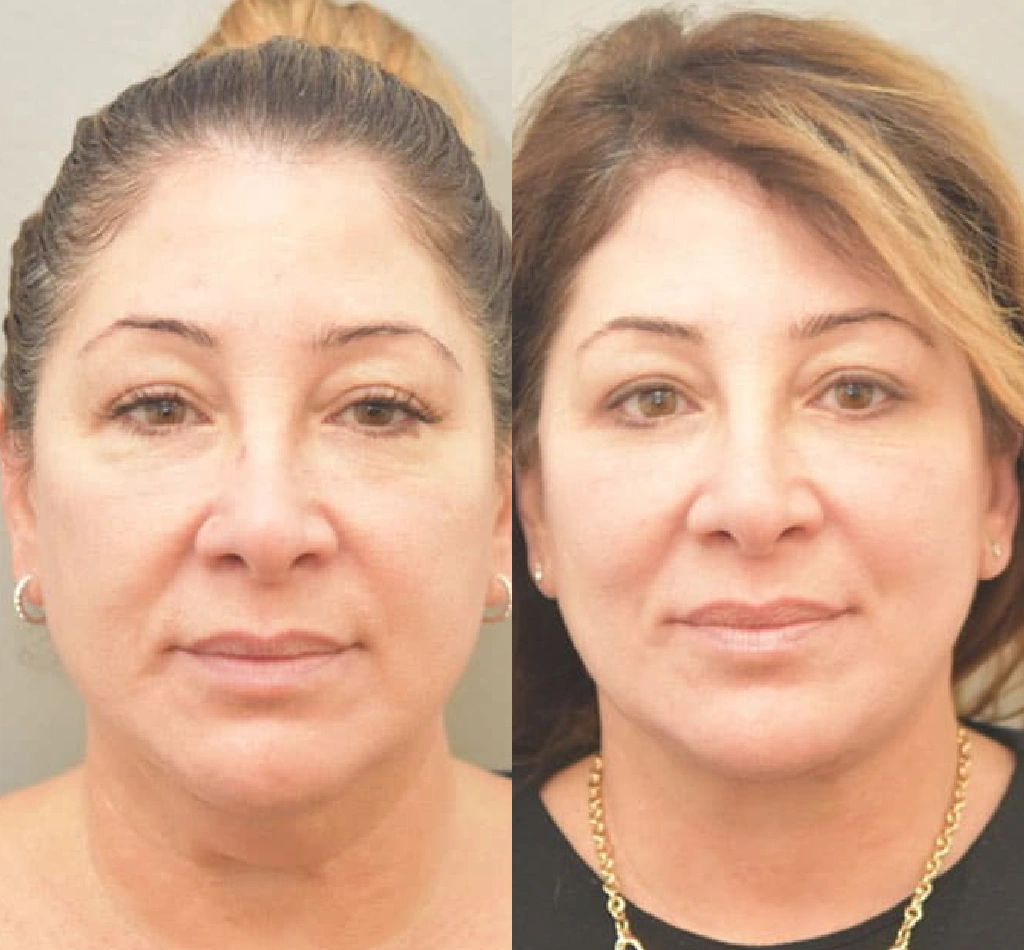
Take a look at the stunning before and after pictures of facelifts at Aesthetic Travel in Turkey, which illustrate the artistry and amazing results of the surgical procedures. They show the successful rejuvenation and natural results achieved by our experienced surgeons.
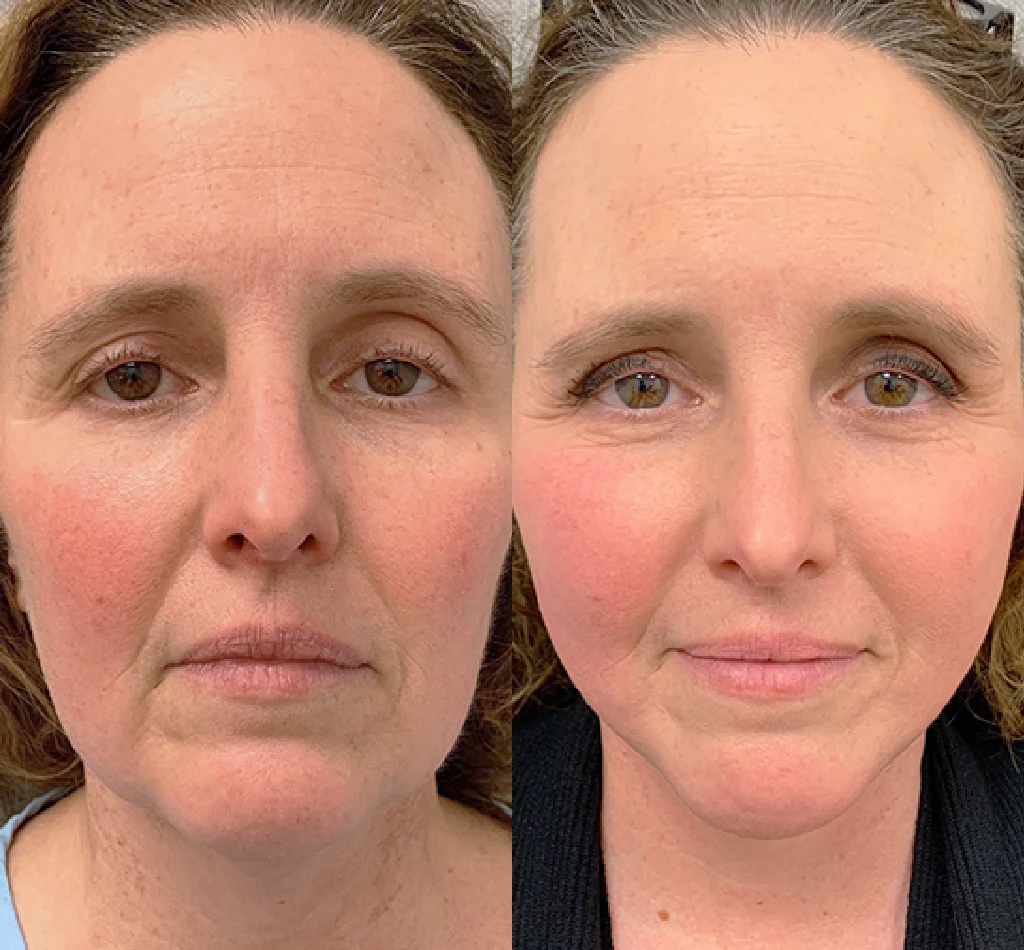
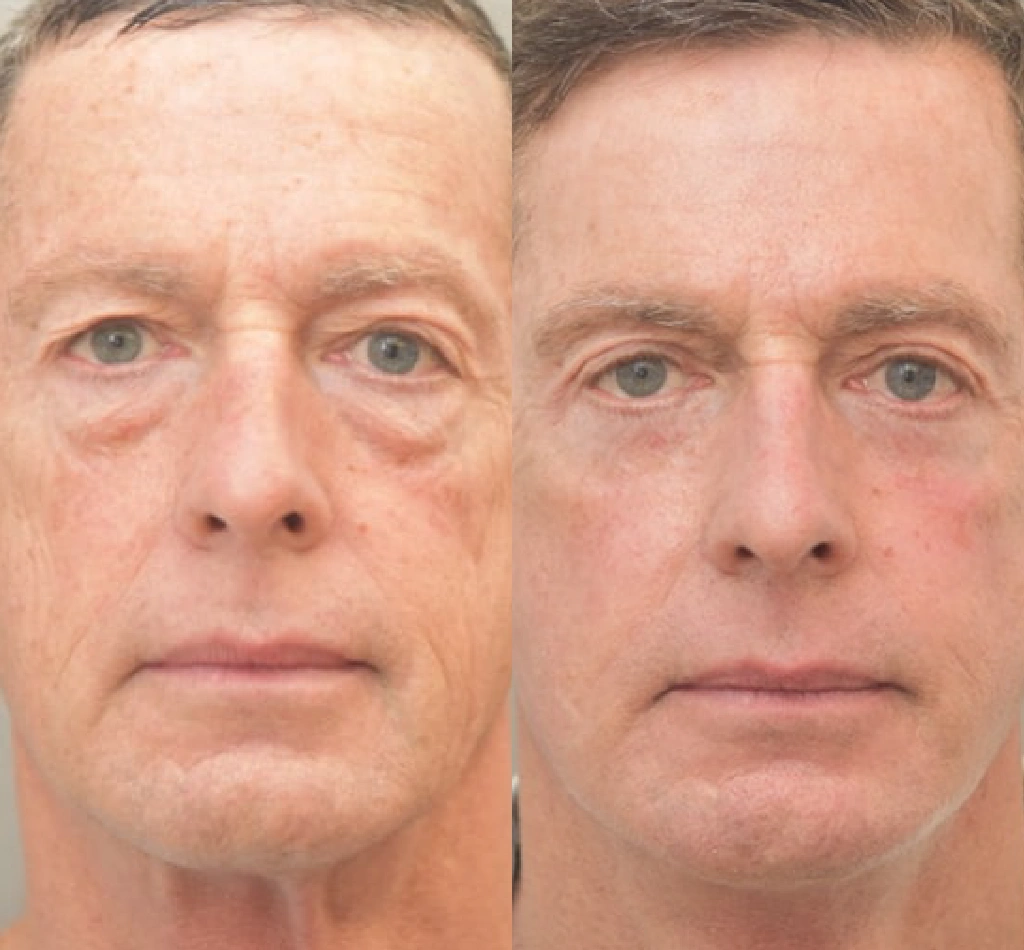
Before After
Facelift - Before and after pictures
Before After
Facelift Turkey at Aesthetic Travel - Before and after pictures
Before After
Facelift Turkey at Aesthetic Travel - Before and after photos

Facelift Turkey / Antalya – Costs & Procedure: Frequently Asked Questions

At Aesthetic Travel you will find comprehensive answers to frequently asked questions about the cost and procedure of a facelift in Antalya, Turkey. Find out about affordable prices, the detailed surgical process, recovery time and the qualifications of the surgeons. Our website offers a wealth of information to help you make the right decision for your facial rejuvenation.

Facelift: Rejuvenation of the face

Definition of a facelift

A facelift, also known medically as a rhytidectomy, is a surgical procedure aimed at reducing the visible signs of aging on the face and neck. By lifting and tightening the facial skin and underlying tissue layers, a fresher, more youthful appearance is achieved.

Goals and benefits

  • Rejuvenation effect: A facelift can smooth wrinkles, tighten sagging skin and rejuvenate the overall appearance of the face.
  • Individual adjustment: The procedure is individually adapted to the patient’s specific needs and goals.

Sequence of the procedure

  • Surgical Technique: The surgeon makes incisions in the hairline to tighten the skin and remove or reposition excess tissue.
  • Duration: The operation usually lasts several hours and can be performed under general anesthesia or local anesthesia with sedation.

Recovery phase

  • Healing process: Swelling and bruising are to be expected after the procedure. Full recovery may take several weeks.
  • Aftercare: Careful aftercare and following the surgeon’s instructions are crucial for a successful outcome.

A facelift is an effective way to correct age-related changes in the facial area and can significantly increase self-confidence. It is important to select an experienced plastic surgeon to perform this procedure to achieve the best results.

The optimal age for a facelift depends on various individual factors and cannot be determined across the board for every person. Here are some considerations to take into account when deciding when to have a facelift:

Individual aging processes

  • Personal needs: The decision to have a facelift depends on the individual signs of aging and personal aesthetic goals. Some people show signs of aging earlier, while others notice changes later.
  • Skin condition: The elasticity and general condition of the skin play a major role. People with premature aging symptoms could benefit earlier from a facelift.

Average age for a facelift

  • Typically: Many people decide to have a facelift between the ages of 40 and 60, as the signs of aging often become more noticeable during this period.

Lifestyle factors

  • Sun exposure and smoking: These factors can accelerate the aging process of the skin, which can lead to the decision to have a facelift earlier.
  • Health condition: Good general health is important for the operation and healing.

Consultation with a specialist

  • Professional advice: A qualified plastic surgeon can provide the best recommendations based on your facial condition, skin quality and aesthetic goals.

Ultimately, the timing of a facelift is a very personal decision and should be based on a careful assessment of your individual needs and expectations. Expert advice is essential to determine the best time and course of action.

During a facelift, the incision is carefully planned to achieve both effective results and to minimize the visibility of scars. The exact placement of the incisions may vary depending on the surgeon’s specific technique and the patient’s individual goals. Here are the typical areas for cutting guides:

Traditional facelift technique

  • In front of the ear: The cut usually begins in the hairline at the level of the temples, then runs along or behind the natural contour of the ear and ends behind the ear in the lower hair area.
  • Aim: This incision allows the skin of the face and often also the neck to be tightened.

Limited facelift or mini facelift

  • Shorter incisions: With a mini facelift, the incisions are often shorter and limited to the area around the ear.
  • Aim: This method is suitable for patients who only need a slight tightening.

Additional cuts

  • Under the chin: An additional small incision under the chin may be necessary to tighten the neck.
  • Within the hairline: To further minimize the visibility of the scars, the incisions can be placed within the hairline.

Factors that influence the incision path

  • Individual facial structure: The specific features of your face play a major role in determining the optimal incision.
  • Extent of aging: Depending on how pronounced the signs of aging are, the incision can be adjusted.

A detailed consultation with an experienced plastic surgeon is crucial to determining the best incision for your individual needs. The surgeon will determine the approach based on your aesthetic goals and the condition of your skin.

The cost of a facelift varies around the world, with Turkey often considered one of the most cost-effective options. Here is a comparison table showing the cost of a facelift in different countries, highlighting Turkey as the cheapest option:

Cost comparison for facelift abroad

CountryAverage price for facelift
Türkiyefrom €3,990
Mexicoapprox. 6,000 – 7,500 €
USAapprox. 9,000 – 12,000 €
Englandapprox. 7,500 – 9,000 €
Germanyapprox. 8,000 – 9,000 €
Switzerlandapprox. 10,000 – 15,000 €
Austriaapprox. 7,000 – 9,000 €

Important Considerations

  • Quality and experience: In addition to the cost, the qualifications of the surgeon and the standards of the clinic should also be taken into account.
  • Additional costs: Think about additional expenses such as travel costs, accommodation and possible aftercare.
  • Individual advice: Individual advice is important in order to understand the exact costs and scope of the procedure.

Turkey offers an attractive combination of low cost and high quality for facelifts, making it a popular choice for patients from all over the world.

The cheap cost of a facelift in Turkey can be explained by several factors:

Economic factors

  • Lower cost of living: Compared to many western countries, the general cost of living and operating costs in Turkey are lower. This allows clinics to offer high quality medical services at more affordable prices.
  • Competitive Market: Due to the increasing demand in the field of medical tourism, Turkey has an intensely competitive market, resulting in affordable prices for cosmetic procedures.

Medical expertise and infrastructure

  • Highly qualified professionals: Turkey has a large number of experienced and well-trained plastic surgeons who use modern and advanced techniques in facelift operations.
  • Modern medical facilities: Clinics in Turkey are often equipped with the latest medical technology and meet international standards.

Comprehensive service packages

  • All-inclusive offers: Many Turkish clinics offer comprehensive packages that, in addition to the procedure itself, also include aftercare, accommodation and sometimes also the transfer.
  • Personalized care: Patients from abroad often receive comprehensive and individual care, which simplifies the entire process and saves additional costs.

Conclusion

The combination of low costs, high expertise, modern facilities and comprehensive service packages make Turkey an attractive choice for patients seeking high-quality yet cost-effective facelift surgery.

Yes, a facelift can often be combined with other surgical procedures to achieve a more comprehensive facial aesthetic improvement. Here are some of the most common possible combinations:

Eyelid lift (blepharoplasty)

  • The combination with an eyelid lift can rejuvenate the appearance of the entire face by tightening both the eye area and the face.

Forehead lift (brow lift)

  • A forehead lift can be performed along with a facelift to smooth the forehead and raise the eyebrows, further rejuvenating the face.

Nose correction (rhinoplasty)

  • The Nose correction can be done at the same time as a facelift to harmonize the facial profile and improve the overall appearance.

Chin and cheek corrections

  • Implants or fat transfers can be used to To emphasize the chin and cheeks and thus create a balanced relationship with the toned face.

Facial liposuction

  • Targeted liposuction in the facial area can complement the results of a facelift by removing excess fat and defining the facial contours.

Skin treatments

  • Laser treatments or chemical peels may be added to improve skin texture and reduce age spots or fine lines.

When deciding on combined procedures, it is important to consider both surgical complexity and recovery time. A detailed consultation with a qualified plastic surgeon is crucial to assess individual needs and options and create an appropriate treatment plan.