Nose Correction in Antalya, Turkey: Rhinoplasty Cost, Surgeons & Recovery

Medically reviewed by: Op. Dr. Altan Tekin, Plastic Surgeon , Trust Pilot Reviews. Last updated: 4 October 2026.

A nose job (rhinoplasty, or “nose correction”) reshapes the bridge, tip or width of the nose, and can also straighten a deviated septum to improve breathing. This guide explains how it works in Antalya, which techniques your surgeon may use, what recovery really looks like day by day, what the price includes and the safety questions you should ask before booking. Prices start from £1,790 .

Aesthetic Travel is a patient-coordination service: we match you with specialist surgeons at licensed hospitals in Antalya, arrange your transfers and accommodation, and stay in touch through your aftercare. We are not the operating clinic, and below we tell you exactly who will operate on you.


Rhinoplasty Turkey

Nose Job | Nose Correction in Turkey / Antalya – Costs & Procedure

Headings

Rhinoplasty in Antalya at a glance


Price

From £1,790 (final quote after photo review/consultation)

Operation time

Usually 2–3 hours; up to 4 hours for complex or revision cases

Anaesthesia

General anaesthesia (standard for rhinoplasty)

Hospital stay

1 night [confirm]

Time in Antalya

About [7] days, including your check-up when the splint is removed

Return to desk work

Around 7–10 days

Swelling

Most visible swelling settles in 3–4 weeks; subtle tip swelling can last up to 12 months

Final result

Judged at around 12 months

Aesthetic Travel UK WP Button

Is rhinoplasty right for you?

Rhinoplasty may suit you if you are bothered by the shape or size of your nose, have a bump, a crooked or asymmetric nose, a drooping or bulbous tip, wide nostrils, or if an injury or deviated septum affects your breathing. It generally suits healthy adults whose nose has finished growing (usually from around 16–18; surgeons often prefer to wait longer for patients in their teens).

You may be advised to wait or to choose a different route if you smoke and cannot stop, have uncontrolled blood pressure or a bleeding disorder, have unrealistic expectations (for example wanting a specific celebrity’s nose), or have a history of body dysmorphic disorder. A responsible surgeon will tell you this at consultation instead of just booking you in.

Your surgeon in Antalya

Op. Dr. Altan Tekin, Plastic Surgeon , Trust Pilot Reviews.

Rhinoplasty techniques available in Antalya

There is no single “best” technique. Your surgeon will recommend one based on your anatomy, skin thickness and goals.

Open rhinoplasty. A small incision across the columella (the strip of skin between the nostrils) lets the surgeon lift the skin and see the whole nasal framework. It is preferred for complex shape changes, tip work and cartilage grafting. The scar is small and usually fades well.

Closed rhinoplasty. All incisions are inside the nostrils, so there is no external scar. It suits smaller refinements, such as a modest hump or minor tip adjustments, but gives the surgeon less visibility.

Preservation (“protective”) rhinoplasty. Instead of cutting the bridge down, the surgeon keeps the natural dorsal structure and lowers or reshapes it. In suitable noses this can mean less swelling and a natural bridge line. It is not suitable for every nose, and results depend heavily on surgeon experience.

Piezo (ultrasonic) rhinoplasty. Bone is reshaped with a vibrating ultrasonic instrument rather than a hammer and chisel. It cuts bone precisely with less damage to surrounding soft tissue and is associated with less bruising. Ask your surgeon whether it adds value for your case.

Septorhinoplasty. Rhinoplasty combined with septoplasty to straighten a deviated septum and improve airflow. If your main complaint is breathing, make this clear at consultation.

Cartilage grafting. When your own nasal cartilage is not enough to support or reshape the nose, the surgeon may use cartilage from the septum, ear or rib.

Revision rhinoplasty. A second operation to correct a previous nose job. It is more complex, takes longer and is not always possible at the same price as a primary operation. Bring your operation notes and photos.

Non-surgical options. Dermal fillers can smooth minor irregularities for several months, but they cannot reduce nose size and carry their own risks. This is a temporary alternative, not a substitute for surgery.

Rhinoplasty (nose surgery) Turkey

What happens: your rhinoplasty journey step by step

  1. Free online assessment. Send us photos and a short medical history. Your surgeon reviews them and gives you a realistic plan and fixed quote.
  2. Planning your trip. We book your transfers and hotel, and agree your travel dates. Aim to stay about [7] days.
  3. Day 0 – consultation and tests. In-person examination, blood tests and anaesthesia review. Your surgeon discusses technique, risks and expectations in person, and you sign informed consent.
  4. Day 1 – surgery. You arrive at the hospital fasted. The operation takes about 2–3 hours under general anaesthesia. You stay overnight.
  5. Day 2 – discharge. Check-up, instructions and medication. A transfer takes you to your hotel.
  6. Day 6–7 – splint and check-up. The external splint is usually removed around day 7 and your surgeon checks healing. Internal packing, if used, is typically removed within the first few days.
  7. Flying home. You fly only after your surgeon clears you [typically after the day-7 check-up].
  8. Aftercare. We stay in contact. You send progress photos at 1 month, 3 months, 6 months and 12 months, and your surgeon reviews them.

Recovery timeline after rhinoplasty

When

What to expect

Days 1–3

Congestion, tenderness, swelling and bruising around the nose and eyes. Sleep with your head raised. Cold compresses as advised.

Day 7

Splint removed. Bruising fading. Most people are comfortable in public with a little care.

Weeks 2–3

Most bruising gone; swelling visible mainly around the tip. Light walking is fine; no gym or heavy lifting.

Weeks 4–6

Return to normal exercise as your surgeon approves. Avoid anything that could hit the nose.

3–6 months

Most swelling has resolved; shape becomes clearer.

12 months

Final refinement and settled result, especially in thicker-skinned noses.

Aftercare essentials: do not blow your nose in the early weeks; avoid glasses resting on the bridge until your surgeon says otherwise; protect the nose from sun; avoid smoking and alcohol as instructed; attend every check-up. Always follow your own surgeon’s written instructions, which override any general guidance.

Rhinoplasty in Antalya Turkey personalised and professional

Rhinoplasty cost in Antalya, Turkey

Rhinoplasty with us starts from £1,790 [confirm]. The final price depends on technique (open, closed, preservation, piezo), whether a septoplasty or cartilage graft is needed, whether it is a primary or revision operation and the hospital chosen.

What the package includes [edit to match your real package]:

Included

Not included

Surgeon’s fee and operating theatre

Return flights

General anaesthesia and anaesthetist

Hotel nights beyond the package

Hospital stay [1] night

Meals and personal expenses

Pre-op tests and consultation

Revision surgery outside the policy period

Airport and hospital transfers

Travel insurance (strongly recommended)

Medication and post-op check-up


Remote follow-up for [12] months


How this compares (add a source and date for each figure before publishing, and review yearly):

Country

Typical price range

Turkey (Aesthetic Travel)

From £1,790

United Kingdom

approx. £5,000–£7,500

Germany

approx. €6,500–€8,000

United States

approx. $6,000–$8,000

The lower price reflects lower hospital and living costs and a high volume of procedures, not lower safety standards, but please compare surgeon experience and hospital accreditation, not just price. Be wary of any quote that is far below the market or that cannot tell you who will operate.

Aesthetic Travel UK WP Button

Nose surgery (rhinoplasty) in Turkey Antalya belongs in expert hands
We are here to help
Request Call Back

Risks, safety and how to choose well

Rhinoplasty is major surgery. Risks include bleeding, infection, reactions to anaesthesia, temporary or persistent nasal blockage, numbness, asymmetry, scarring (open technique), a contour or tip result you are not happy with, and the need for revision surgery. Serious complications are uncommon when surgery is done by an experienced specialist in an accredited hospital, but no one can guarantee a result. Your surgeon will go through your personal risks before you consent.

Checklist before you book anywhere abroad:

  • Do you know the name and qualifications of the surgeon who will operate, and can you speak to them (not just a salesperson) before travelling?
  • Is the hospital licensed by the Turkish Ministry of Health, and is the surgeon registered?
  • Is anaesthesia given by a qualified anaesthetist and are intensive-care facilities on site?
  • Do you get a written plan: what is included, the revision policy and what happens if there is a complication?
  • Is there a minimum stay in Antalya for your check-up, and a way to contact the team after you fly home?
  • Do you have travel insurance that covers complications, and do you know how to arrange follow-up with your GP in the UK? The NHS does not routinely treat complications from private surgery abroad, so confirm your aftercare route in advance.

Why combine rhinoplasty with a holiday in Antalya?

Antalya has a major international airport (AYT) with direct flights from many UK airports (about 4½ hours from London), plenty of quiet hotels and mild weather for much of the year. Recovery is mostly rest, so a calm resort makes it easier. Avoid strong sun, swimming and heat during the first weeks, and follow your surgeon’s advice on activities.

Rhinoplasty Turkey – Execution

Rhinoplasty – what is possible?

Nose surgery Turkey at Aesthetic Travel – Reviews

Nose surgery in Turkey at Aesthetic Travel is highly rated by customers. Patients praise the professional care, the first-class surgical results and the comprehensive service. Experienced surgeons and state-of-the-art techniques guarantee a successful rhinoplasty. Reviews confirm the high level of patient satisfaction and recommend Aesthetic Travel for high quality rhinoplasty at affordable prices in Turkey.

Deniz Libertad
★★★★★
Read More
I had a nose and eye operation and was very happy with everything. The crew was very friendly and they looked after me very well. All my questions were answered satisfactorily and although I speak Turkish, a translator was organised for safety reasons. I also had a very professional impression of the hospital and clinic. All in all, I am very satisfied and would recommend them 100%.

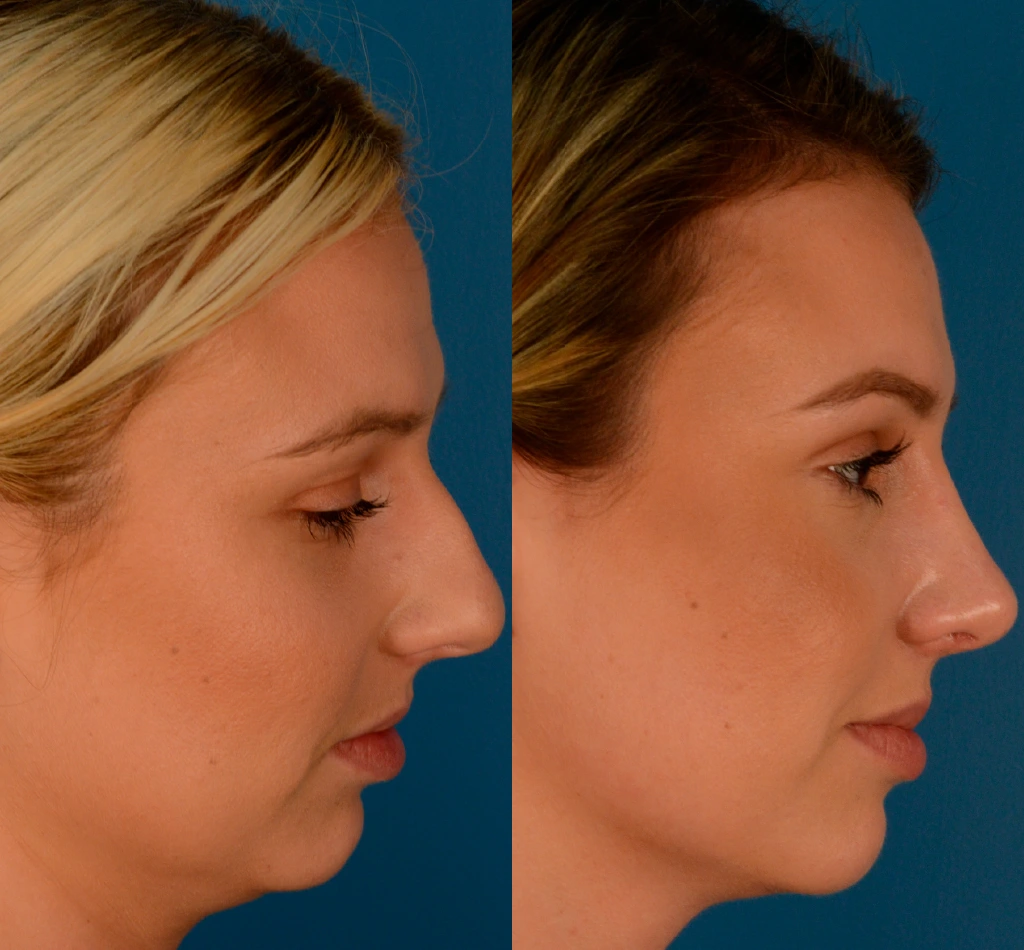
Nose surgery Turkey /Antalya – Before and after pictures

These photos demonstrate Aesthetic Travel’s ability to achieve impressive results. Discover impressive photos showing how rhinoplasty is performed by experienced surgeons in Antalya, Turkey. They show the transformation of rhinoplasty and how it can enhance the individual beauty of each patient.
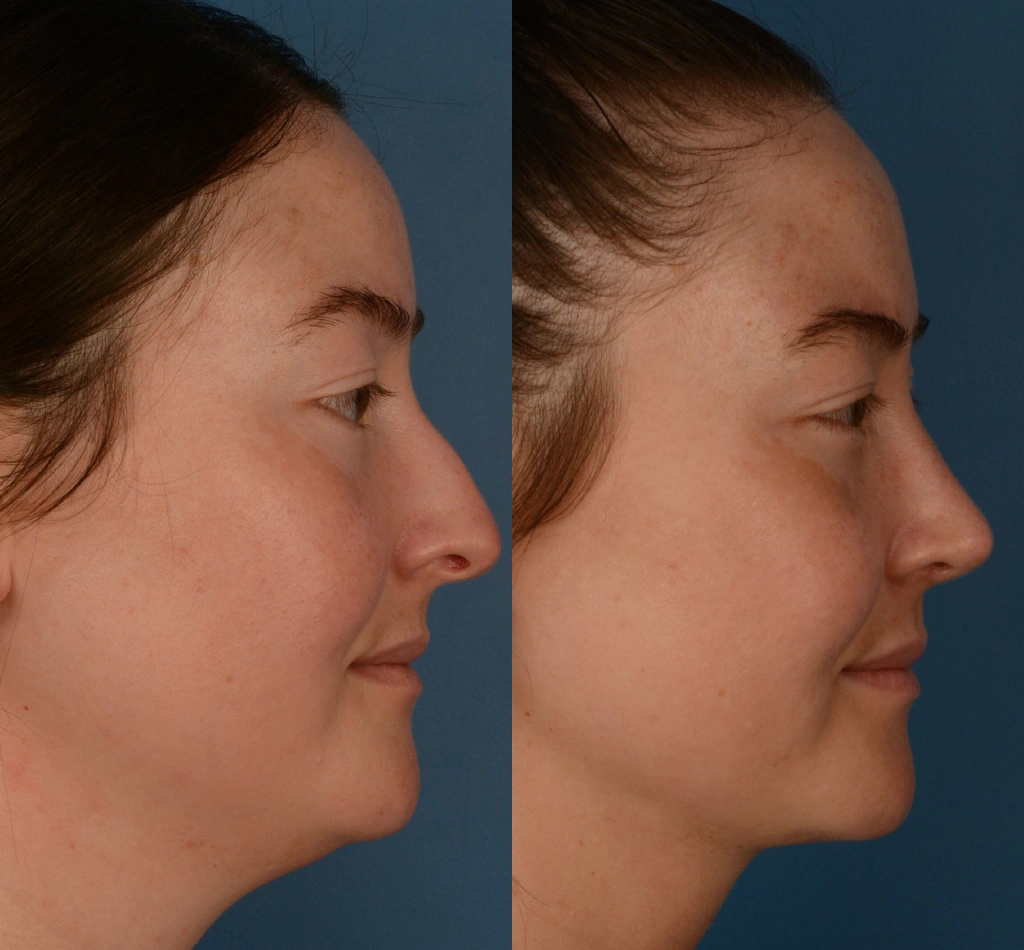
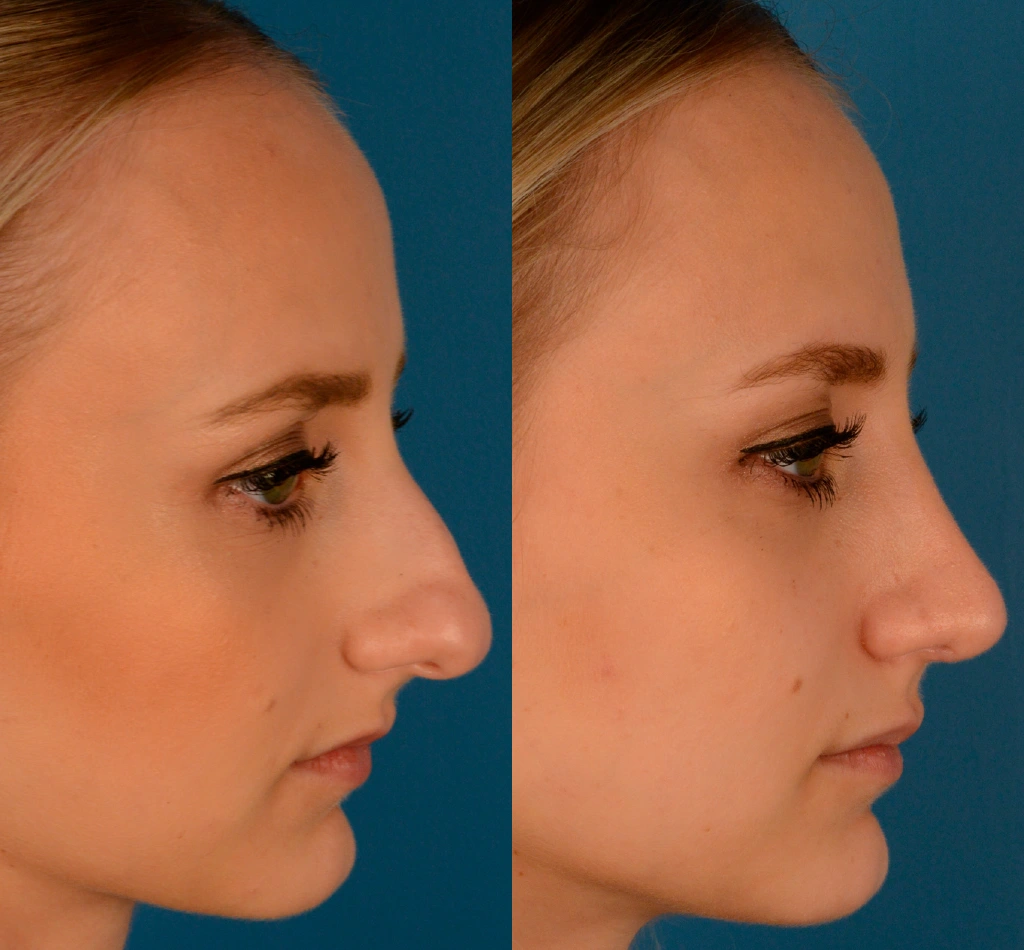
before after
Rhinoplasty Turkey /Antalya - Before and after pictures
before after
Nose surgery Turkey /Antalya - Before and after pictures
before after
Nose surgery Turkey /Antalya - Before and after photos

Frequently Asked Questions

In Antalya, Aesthetic Travel offers rhinoplasty (nose job) with affordable cost and transparent procedure. Frequently asked questions include details on pricing, surgical procedures, recovery time and surgeon qualifications, all of which are answered comprehensively on our website.

Nose correction: aesthetic and functional improvement

Basics of rhinoplasty

Rhinoplasty, also known as rhinoplasty, is a surgical procedure that aims to change the shape, size and contour of the nose. This procedure can be performed both for aesthetic reasons and to improve nasal function.

Aesthetic goals

  • Shape adjustment: Adjusting the shape of the nose to fit it more harmoniously into the facial image.
  • Size correction: Reduction or enlargement of the nose for a balanced relationship with other facial features.
  • Contour improvement: Smoothing of bumps or bumps on the bridge of the nose.

Functional aspects

  • Improve breathing: Correct structural problems such as a deviated nasal septum, which can cause difficulty breathing.
  • Treatment of sleep apnea: In some cases, rhinoplasty can help relieve symptoms of sleep apnea.

The surgical procedure

  • Techniques: Rhinoplasty can be performed open (with a visible incision) or closed (incisions inside the nose).
  • Anesthesia: The procedure is usually carried out under general anesthesia.
  • Duration: The operation usually lasts one to two hours.

Aftercare and recovery

  • Recovery time: Recovery can take several weeks, with the first few days after surgery being critical.
  • Aftercare: The surgeon’s aftercare instructions are critical to successful healing and achieving the desired result.

Rhinoplasty can significantly improve both the appearance and function of the nose. A comprehensive consultation with a qualified plastic surgeon is crucial to achieving individual goals and minimizing risks.

Rhinoplasty, also known as rhinoplasty, involves the use of various surgical techniques to improve the appearance and function of the nose. Here are the main techniques:

Open rhinoplasty

  • Description: During open rhinoplasty, a small incision is made in the columella, the bridge between the nostrils. This allows the surgeon direct access to the nasal structure.
  • Benefits: Provides excellent visibility and accessibility for complex or large-scale corrections.
  • Disadvantages: May result in more visible scars and usually has a longer healing time.

Closed rhinoplasty

  • Description: In closed rhinoplasty, all incisions are made inside the nose, avoiding external scars.
  • Advantages: Less scarring and often a shorter recovery time.
  • Disadvantages: Limited visibility and access, making them less suitable for complex procedures.

Septorhinoplasty

  • Description: This technique combines a rhinoplasty with a correction of the nasal septum (septoplasty) to improve breathing.
  • Benefits: Improves both the aesthetic appearance of the nose and nasal function.
  • Disadvantages: More complex than simple rhinoplasty, requires an experienced surgeon.

Non-surgical correction

  • Description: These are non-surgical options, such as the use of fillers to correct small irregularities.
  • Advantages: No surgical risks, quick recovery.
  • Disadvantages: Temporary results and limited correction options.

Each technique has its specific advantages and disadvantages, and the choice depends on the patient’s individual needs and goals as well as the surgeon’s recommendation. Comprehensive advice is crucial to determine the best method for each case.

Cost comparison for rhinoplasty abroad:

The cost of a rhinoplasty varies significantly internationally, with Turkey standing out as a cost-effective destination. Here is a comparison table that provides an overview of average prices in different countries:

Nose correction in Turkey

  • Average price: approx. 2,490 €
  • Features: Known for high quality procedures at affordable prices.

Cost comparison in other countries

For comparison, the costs in other countries can be significantly higher. In countries such as Germany, Great Britain or the USA, prices for a similar operation are often significantly higher than those in Turkey. This is due, among other things, to the generally higher cost of living and medical costs in these countries.
 
CountryAverage price for rhinoplasty
Germanyapprox. 6,500 – 8,000 €
Great Britainapprox. £5,000 – £7,500
USAapprox. $6,000 – $8,000
Franceapprox. 5,000 – 7,500 €
Italyapprox. 5,500 – 7,000 €

Important Considerations

  • Quality and experience: In addition to the cost, the qualifications of the surgeon and the standards of the clinic should also be taken into account.
  • Additional costs: Think about additional expenses such as travel costs, accommodation and possible aftercare.
  • Individual advice: Individual advice is important in order to understand the exact costs and scope of the procedure.

Turkey offers an attractive combination of low cost and high quality for rhinoplasty, making it a popular choice for patients from all over the world.

Cheap nose job in Turkey at Aesthetic Travel: reasons and advantages

Economic advantages

Turkey is known for its high quality medical services at significantly cheaper prices compared to many Western countries. This is mainly due to the lower cost of living and operating costs in Turkey.

High competition and specialization

  • Competition in the healthcare sector: The large number of clinics and surgeons specializing in aesthetic procedures results in competitive prices.
  • Specialization: Many Turkish surgeons specialize in rhinoplasty, which allows them to offer efficient and high-quality procedures.

Modern technologies and facilities

  • State-of-the-art equipment: Clinics in Turkey are often equipped with the latest medical equipment and technology.
  • Quality standards: Despite the lower costs, high medical standards are maintained, which attracts patients from abroad.

Comprehensive service packages

  • All-inclusive offers: Aesthetic Travel often offers comprehensive packages that include the procedure, accommodation and aftercare, saving additional costs.
  • International support: Many clinics offer additional services such as translation and support with travel planning.

Conclusion

The combination of low costs, high expertise, modern facilities and comprehensive service packages make nose jobs in Turkey at Aesthetic Travel an attractive and cost-effective option for patients worldwide. Quality and patient satisfaction remain high priorities.

Rhinoplasty, or nose job, can often be combined with other surgical procedures to achieve a more comprehensive aesthetic improvement. Here are some of the most common possible combinations:

Facelift (facelift)

  • The combination of a nose correction with a Facelift can help achieve a more harmonious overall appearance of the face by rejuvenating both the nose and facial contours.

Eyelid lift (blepharoplasty)

  • An Eyelid lift along with rhinoplasty can rejuvenate the appearance of the entire face by improving both the eye area and the nose.

Chin correction (mentoplasty)

  • The correction of the chin in combination with a rhinoplasty can help to create balance between the nose and chin and optimize the profile of the face.

Cheek or lip fillers

  • Filling materials or implants can be used to enhance other areas of the face to create balance with the newly shaped nose.

Ear correction (otoplasty)

  • In some cases, Ear correction can be performed together with rhinoplasty to improve the overall appearance of facial proportions.

Forehead lift

  • A forehead lift can help smooth the forehead and raise the eyebrows, which, when combined with a rhinoplasty, rejuvenates the face.

When opting for combined procedures, keep in mind that this may increase both surgical complexity and recovery time. A comprehensive consultation with a qualified plastic surgeon is crucial to assess your individual needs and create an appropriate treatment plan.

When considering nose correction (rhinoplasty), it is important to be well informed. Here are some essential questions and answers that can help you make an informed decision:

  1. What is the goal of a rhinoplasty?

    • The goal is to improve the appearance of the nose and/or correct breathing problems.
  2. How is a rhinoplasty performed?

    • The procedure involves controlled incisions to change the nasal structure. There are open and closed methods.
  3. How long does recovery take after rhinoplasty?

    • Complete recovery may take a few weeks, but many patients can return to light activity within 1-2 weeks.
  4. Are the results of a rhinoplasty permanent?

    • Yes, the results are usually permanent, but can be influenced by subsequent injuries or natural aging processes.
  5. How visible are the scars after a nose job?

    • With closed rhinoplasty, the scars are usually not visible. With the open method, a small scar may remain at the base of the nose.
  6. Are there risks with a nose job?

    • Potential risks include infection, bleeding, asymmetry, and changes in skin sensation.
  7. When can I go back to work after a nose job?

    • Most patients return to work within 1-2 weeks, depending on the nature of their job.
  8. How do I choose the right surgeon for a rhinoplasty?

    • Look for a qualified plastic surgeon with experience in rhinoplasty and a good track record.
  9. What should I discuss with the surgeon during the consultation?

    • Discuss your aesthetic goals, medical conditions and outcome expectations.
  10. Can a rhinoplasty be combined with other operations?

    • Yes, a rhinoplasty can often be combined with other facial surgeries such as a facelift or an eyelid lift.
  11. How long does the swelling last after a rhinoplasty?

    • Swelling may last for a few weeks to months, with most swelling resolving within the first few months. The final result is often only visible after a year.
  12. Can rhinoplasty improve nasal breathing?

    • Yes, if the surgery corrects structural problems such as a deviated nasal septum, it can improve breathing.
  13. Is a nose job painful?

    • You will be anesthetized during the operation and pain after the operation can usually be well controlled with painkillers.
  14. Are there age restrictions for rhinoplasty?

    • Nose jobs are typically not performed on children or teenagers until their nose has fully grown, which is usually around the age of 16.
  15. How do I prepare for a nose job?

    • Avoid certain medications and supplements that may increase bleeding, and stop smoking at least two weeks before surgery.
  16. How long does a nose correction take?

    • The operation usually takes between 1 and 3 hours, depending on the complexity of the procedure.
  17. What happens during the follow-up examination?

    • During follow-up visits, healing is monitored and adjustments are made if necessary. These are important to ensure the best possible result.
  18. Can I wear glasses after a nose job?

    • You should avoid wearing glasses for a certain period of time after surgery to prevent pressure on the nose.
  19. Are touch-up surgeries common after rhinoplasty?

    • Small corrections may be necessary, but are not uncommon, to achieve the optimal result.
  20. How do I find the best clinic for a nose job?

    • Research clinics with good reviews, experienced surgeons, and a proven track record of performing rhinoplasty procedures.